


Battery materials
Namo Chemical provides products customized to customer needs, based on its accumulated experience and technology.
-
Conductive Material for secondary batteries
(carbon nanotubes, carbon black) -
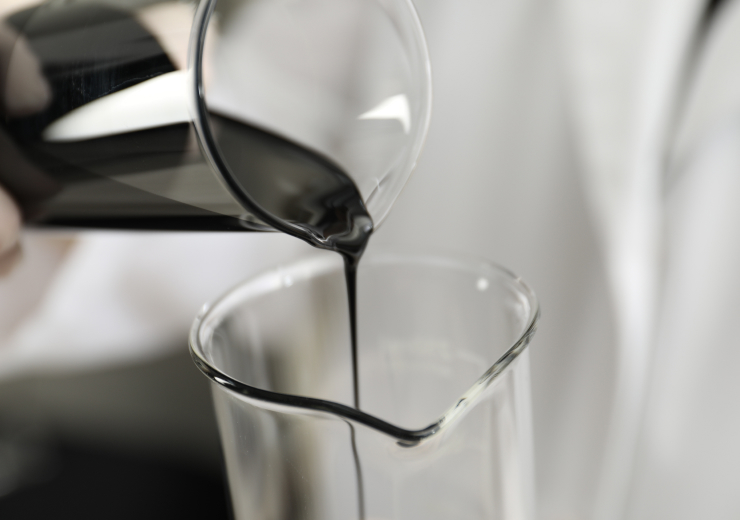
Conductive materials are key components that enhance electrical conductivity by facilitating the movement of electrons between the cathode and anode in secondary batteries. Various carbon-based materials such as carbon black, graphite, and carbon nanotubes (CNT) are used, and even in very small amounts, they can significantly improve battery performance and cycle life.
Based on cutting-edge technology and high-quality raw materials, Namo Chemical’s conductive materials maximize energy density, efficiency, and stability, leading the advancement of next-generation battery industries.# Cathode/anode conductive materials # Improved electrical conductivity # Extended battery life and enhanced performance # Higher charging and discharging efficiency
-
Insulating coating slurry for secondary batteries
(ceramic, dry/wet) -
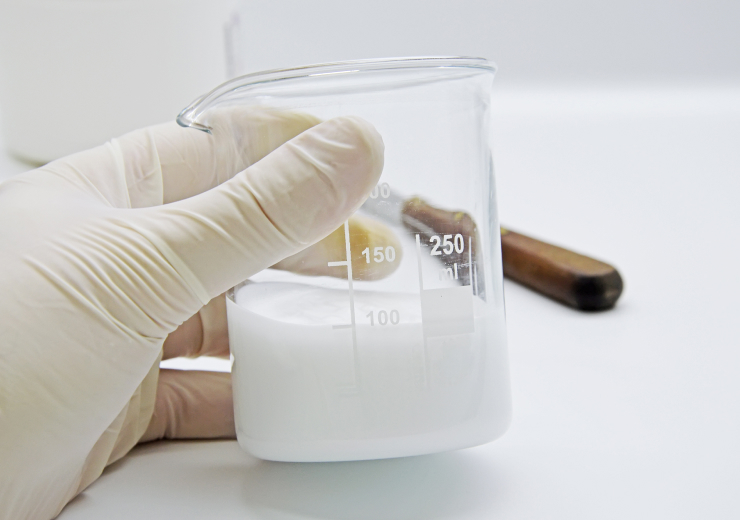
Insulating coating slurry for secondary batteries is an advanced material that forms a thin, uniform coating on the electrode surface to prevent electrical short circuits and improve battery safety and lifespan. With excellent adhesion, heat resistance, and superior insulating properties, Namo Chemical’s insulating coating slurry is optimized for high‑performance, high‑safety battery manufacturing processes.# Insulation of electrode surfaces and prevention of electrical shorts # Enhanced battery safety # Extended battery lifespan # Suitable for lithium‑ion batteries
-
Binders and dispersants for secondary batteries
-
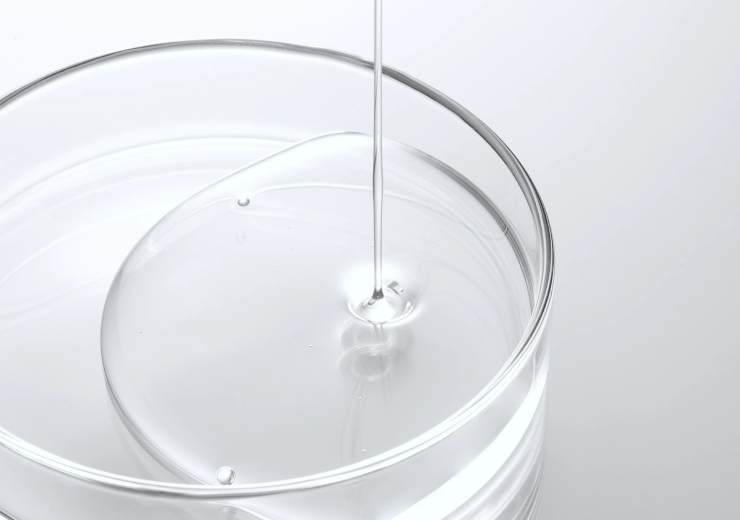
Binders for secondary batteries firmly bind the active materials and conductive components in the electrode, enhancing the stability of the electrode structure and its durability during repeated charge and discharge cycles. Dispersants help electrode materials disperse and mix uniformly, thereby maximizing overall battery performance.
Namo Chemical’s binders and dispersants are optimized for the manufacture of next‑generation batteries with high energy density, long cycle life, and outstanding reliability, thanks to their excellent adhesion, chemical resistance, and uniform dispersion properties.# Stabilization of electrode structure # Maintenance of electrochemical stability with the electrolyte # Uniform dispersion of electrode slurry # Improved chemical resistance and durability
